The Allure of Risk and Reward
At the heart of casino gambling lies the thrilling experience of risk and reward. The uncertainty associated with each game, whether it’s spinning a slot machine or playing blackjack, creates an adrenaline rush that can be incredibly appealing. This rush is often fueled by the potential for significant winnings, which can lead to a temporary escape from reality. Players are drawn to the idea that with just one more spin or one more hand, they might hit the jackpot. To enhance this experience, many gamblers also look for sportsbook promos that can provide additional excitement.
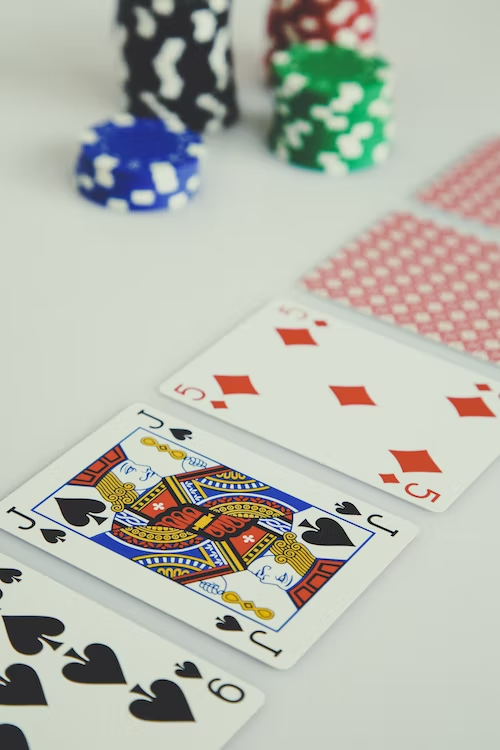
This concept of intermittent reinforcement is a powerful psychological mechanism that keeps players engaged. Unlike pursuits with guaranteed outcomes, gambling offers unpredictable rewards, which enhances players’ anticipation and excitement. The brain releases dopamine, a neurotransmitter associated with pleasure, reinforcing the behavior and keeping players coming back for more.
Social Interaction and Community
Another key factor contributing to the ongoing appeal of casino gambling is the social aspect it provides. Many players enjoy the camaraderie found in casinos, whether it’s cheering for a friend at a poker table or celebrating a win together. This sense of community can be a significant draw for individuals, particularly those who may feel isolated or lonely in other aspects of their lives.
Casinos often create an atmosphere that encourages social interaction, from lively entertainment to shared experiences around gaming tables. This dynamic creates a unique environment where people can connect, share stories, and build relationships, making the act of gambling not just about the games, but about the connections formed as well.
The Role of Illusion and Escapism
Many gamblers are also motivated by the escapism that casinos provide. The immersive environments are designed to distract players from their everyday concerns, allowing them to experience a different reality for a while. The vibrant lights, engaging sounds, and appealing décor contribute to a sensory overload that captures attention and transports players to a different world.
This escapist phenomenon can be particularly attractive during challenging times or personal struggles. Gambling can act as a coping mechanism, offering temporary relief from stress or anxiety. However, while this can provide momentary satisfaction, it is essential for players to recognize the potential dangers of relying on gambling as a form of escape, as it can lead to harmful behaviors and addiction.
The Psychological Trap of “Near Wins”
The psychology behind the concept of “near wins” is another critical element that keeps players coming back to casinos. These occurrences happen when a player almost wins, such as hitting two out of three symbols on a slot machine. This generates a false sense of success, leading players to believe that winning is just around the corner.
Near wins exploit cognitive biases, where players misinterpret their experiences and become more invested in their next attempts. This phenomenon reinforces their behavior, as players feel that persistence will eventually lead to a rewarding outcome, often overshadowing the reality of their losses.

Understanding the Attraction of Gambling Platforms
As more people explore the world of online gambling, understanding what attracts players to these platforms has become increasingly important. Many online casinos offer a range of games, promotions, and incentives that cater to a wide audience. This accessibility makes it easier than ever for individuals to engage in gambling from the comfort of their homes.
Despite the challenges posed by security measures that may restrict access to certain platforms, the allure of various gaming options and the potential for attractive payouts keep players motivated. Furthermore, online communities and social media have emerged, allowing players to connect and share their experiences, which enhances their overall enjoyment of the gambling experience. Ultimately, the psychological elements intertwined with gambling continue to draw players back, highlighting the complex relationship between human behavior and gaming.